Why living in Fresno helps
Deformity surgery is not a one-visit event. There is usually a planning phase with several appointments, a hospital stay, weeks of physical therapy and follow-up visits for a year or longer. Our only office is in Fresno, California, so for Fresno residents each of those trips is a local drive rather than a day on the highway. Family members who help with rides can often fit a visit into a lunch break.
What deformity correction involves
Adult spinal deformity means the spine has lost its normal shape. It may curve to the side (scoliosis), tip forward (kyphosis or flatback), or have one bone slipped forward on the one below. Over time this can cause back pain, leg pain from pinched nerves and a feeling of leaning forward that gets worse as the day goes on.
Correction surgery takes pressure off the nerves and brings the spine back into better balance. It usually includes a fusion across several levels, held with screws and rods. Sometimes the bone is reshaped to correct a stiff curve. The adult deformity correction guide describes the operation, recovery and risks in more depth.
Who it may help
Many adults with a curve never need surgery. Surgery is considered when symptoms limit daily life and therapy, activity changes and pain care have not been enough. People we see for adult spinal deformity in Fresno often describe:
- Leaning forward more and more while standing or walking, and needing a cart or counter to rest on
- Leg pain or numbness from narrowing of the spinal canal along with the curve
- A curve that is getting larger on x-rays over the years
- A spine that lost its balance after an earlier fusion
Adult deformity often develops slowly from disc wear and aging, so many patients are in their 60s or older. Others had scoliosis as teenagers that changed in adulthood. A lifetime of physical work, whether in fields around Fresno County, in a hospital or on a loading dock, does not by itself cause a curve, but it can shape what you want to get back to after surgery.
How planning works
A good result depends on careful planning. Before surgery, we usually need:
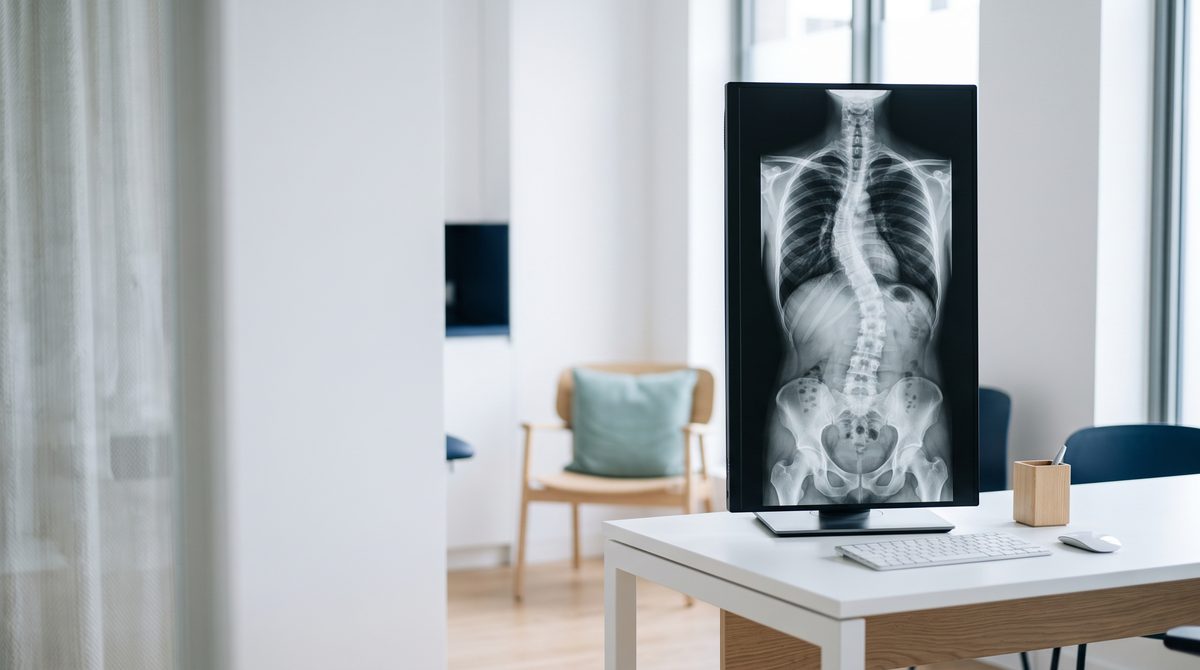
Full-spine x-rays
Standing films from neck to pelvis show the curve and how your body balances over your hips.
MRI or CT
These show nerve pressure, disc wear and bone shape in detail.
Health review
Bone density, nutrition, blood sugar, heart and lung health, and smoking status all affect healing.
A second talk
A follow-up visit to go over the plan and the recovery, with family present if you like.
Dr. Higginbotham is first author of a national study on how spine surgeons check nutrition, function and bone health before surgery, and his fellowship at UC Davis included research on fusion for adult spondylolisthesis. Health issues found in planning, like low bone density, are often treated before surgery.
Getting ready at home in Fresno
- Records. Gather old x-rays, especially from years ago, since they help show how fast a curve is changing. Hospitals and imaging centers in Fresno can send them on a disc.
- Helpers. Line up a family member or friend for the hospital stay, the ride home and the first weeks at home.
- Home setup. A raised toilet seat, a shower chair, a walker and a bed on the main floor make the first weeks easier.
- Therapy. Physical therapy is often part of recovery. Ask where you would like to go, since a clinic close to home makes it easier to keep every session.
Our guide to getting ready for spine surgery has a longer checklist.
Questions from Fresno families
How long is the hospital stay after deformity surgery?
It varies with the number of levels and your health. Many patients stay several days, and some go to a rehab facility before going home. We will give you an estimate once the plan is set.
My mother is 72. Is she too old for scoliosis surgery?
Age alone does not decide it. Overall health, bone strength and how much the curve limits daily life matter more. Many older adults do well with nonsurgical care, and some benefit from surgery.
How often will we need to come in after surgery?
Expect several visits across the first year, with x-rays at some of them to check that the fusion is healing. Living in Fresno keeps each trip short.
Can I bring my family to the planning visit?
Yes, and we encourage it. The people helping you at home should hear the plan and the recovery timeline directly.
Will I be taller after my curve is corrected?
Some patients stand straighter and may gain a little height, but that is not the goal of surgery. The aims are less pain, less nerve pressure and better balance when you stand and walk.